

It’s no secret that tracking your performance as a personal trainer goes beyond your clients’ progress. That’s where key performance indicators (or KPIs) come in. These important metrics are a window into insights about the health and success of your business.
By understanding and analyzing your business, you’re better able to make informed decisions, improve your services, and ultimately, grow your business. In this post, we’ll explore 9 key performance indicators that every personal trainer should monitor to ensure their business thrives.
Key Takeaways
- KPIs give you a real, numbers-based view of how your fitness business is performing.
- The 9 KPIs in this article cover the four areas that make or break a personal training business: revenue, client experience, operations, and profitability.
- Tracking them consistently is what separates trainers who react to problems from those who see them coming.
- Start with the KPIs most relevant to your current stage: newer trainers should focus on acquisition and conversion, while established trainers should double down on retention, lifetime value, and margin.
Table of Contents
- What are KPIs and Why Track Them as a Personal Trainer?
- Revenue per client
- Average class attendance
- Client retention rate
- Profit margin
- Average daily attendance
- Member lifetime value (MLV)
- Revenue per session
- Customer acquisition cost (CAC)
- Lead-to-sale conversion rate
- What’s Next?
What are KPIs and Why Track Them as a Personal Trainer?
KPIs are measurable values that help determine how effectively your business is achieving its key objectives. Ultimately, tracking your KPIs helps you monitor these 4 key areas:
- Your progress: KPIs provide concrete data for you to track your progress over time. Therefore, they allow you to measure where you’re excelling and where you need to focus your marketing efforts.
- Your client experience: KPIs help you better serve your clients. For example, by understanding client satisfaction and engagement, you can tailor your services to meet client needs and preferences.
- Your operations: Similarly, KPIs help you make informed decisions on scheduling, pricing, and marketing. For example, KPIs reveal patterns and trends that help you optimize your business operations.
- Your profitability: KPIs provide insights into your business’s profitability, ultimately guiding you to make strategic decisions that enhance your bottom line.
By regularly monitoring your metrics, you’ll ensure that your personal training business remains competitive and continues to grow.
📖 Check Out: How to Succeed as a Remote Personal Trainer
Key Performance Indicators (KPIs) to Track as a Personal Trainer
Here are 9 key performance indicators that every personal trainer should track.
#1: Revenue per client
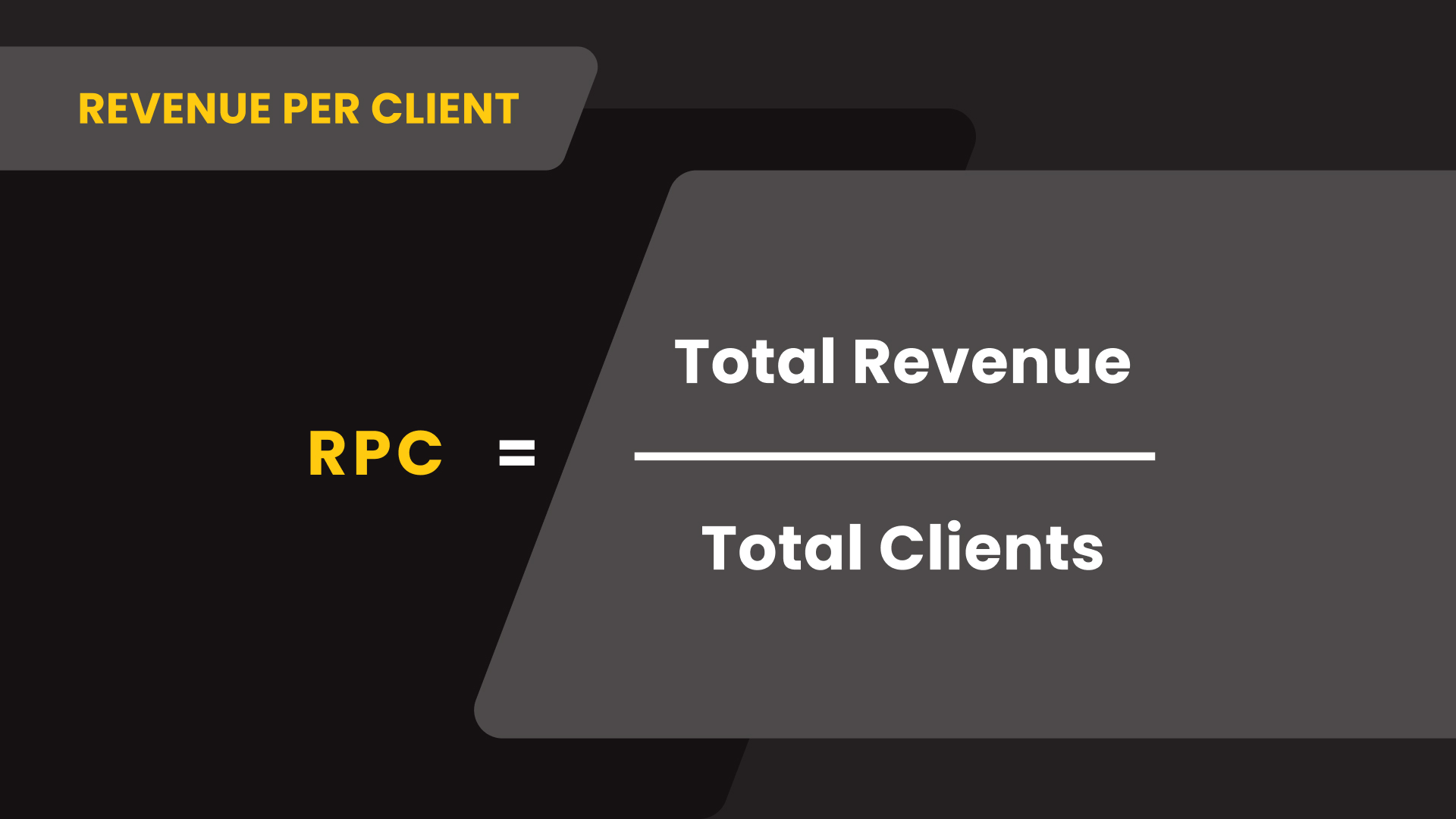
Revenue per client measures the amount of income generated from each individual client. Knowing this information helps guide your pricing strategies and service enhancements. By maximizing the revenue per client, you ensure that your efforts are yielding the highest possible returns.
- Why it matters: This KPI highlights the value each client brings to your business, enabling you to focus on high-value clients and tailor services to increase their spending.
- How to track It: Calculate revenue per client dividing your total revenue by the number of clients within a specific period.
📖 Check Out: A Complete Pricing Guide for Personal Trainers and Online Coaches
#2: Average class attendance
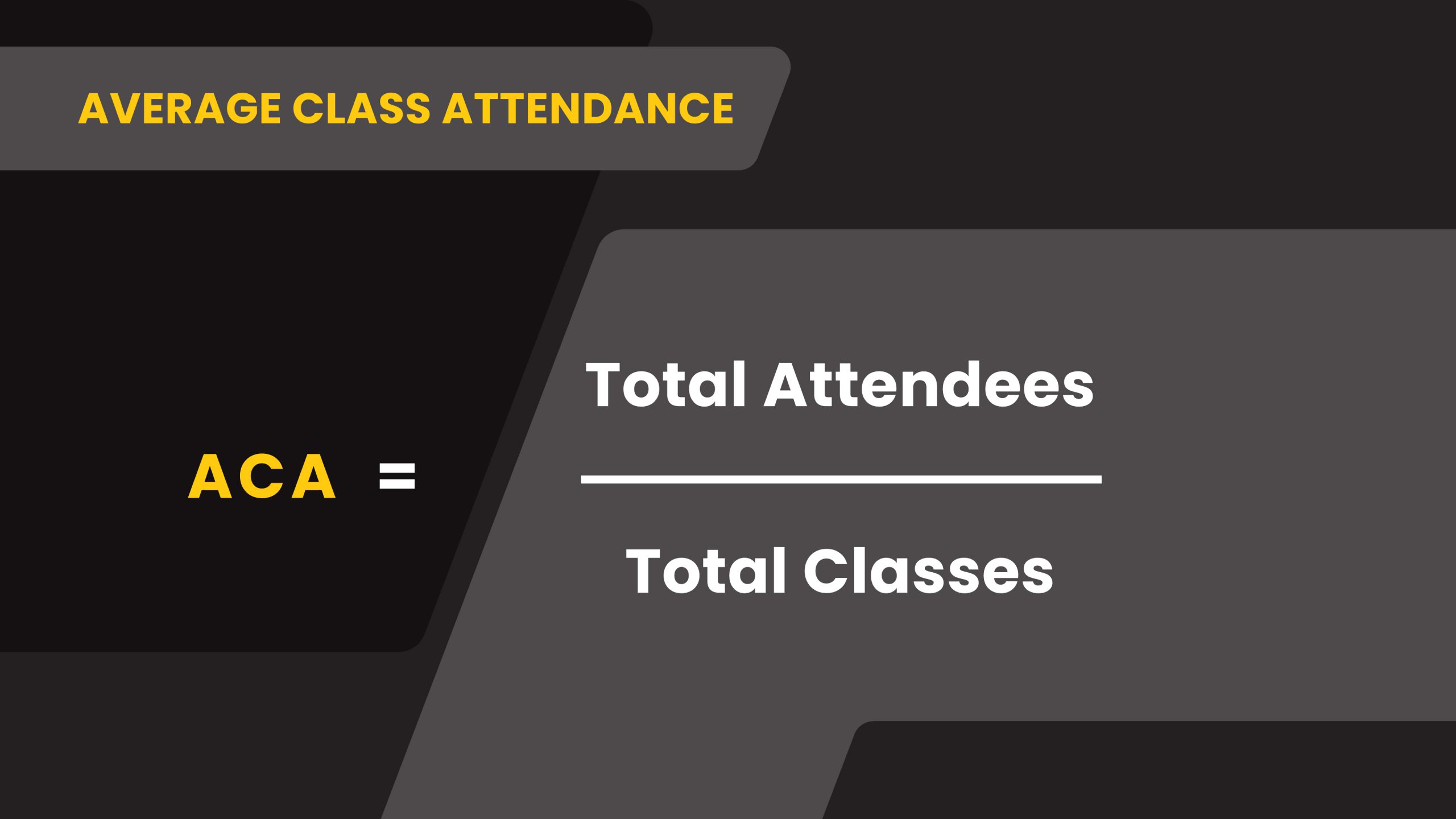
Next, average class attendance tracks the number of participants in each of your training sessions. For example, high attendance rates indicate strong client engagement and satisfaction. Therefore, monitoring this KPI helps ensure that your classes are serving your clients’ needs in the most effective way.
- Why it matters: First, high attendance reflects client interest and engagement, while low attendance might indicate issues with class times, content, or marketing.
- How to track it: Calculate average class attendance by dividing the total number of attendees by the number of classes over a specific period.
#3: Client retention rate
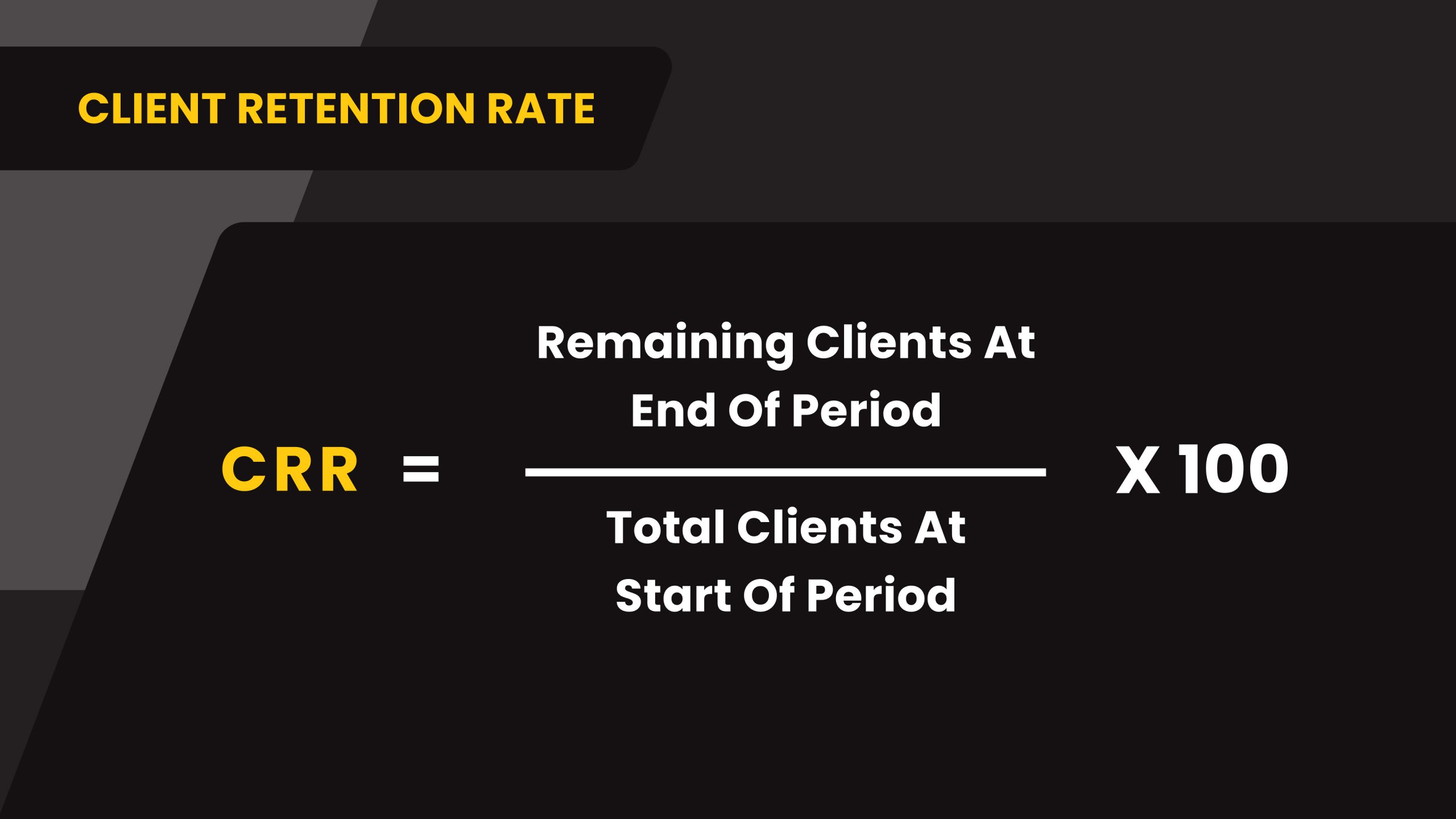
Client retention rate measures the percentage of clients who continue training with you over a specified period of time. For example, high retention rates indicate strong client loyalty and satisfaction, which are crucial for long-term business success. Secondly, this KPI highlights areas where you might need to improve your services to keep clients coming back.
- Why it matters: Firstly, retaining clients is more cost-effective than acquiring new ones. Therefore, high retention rates signal client satisfaction and loyalty.
- How to track It: Calculate your client retention rate by dividing the number of clients who stay with you over a period by the total number of clients at the start of the period. Next, multiply that number by 100.
📖 Check Out: New Business Checklist for Personal Trainers
#4: Profit margin
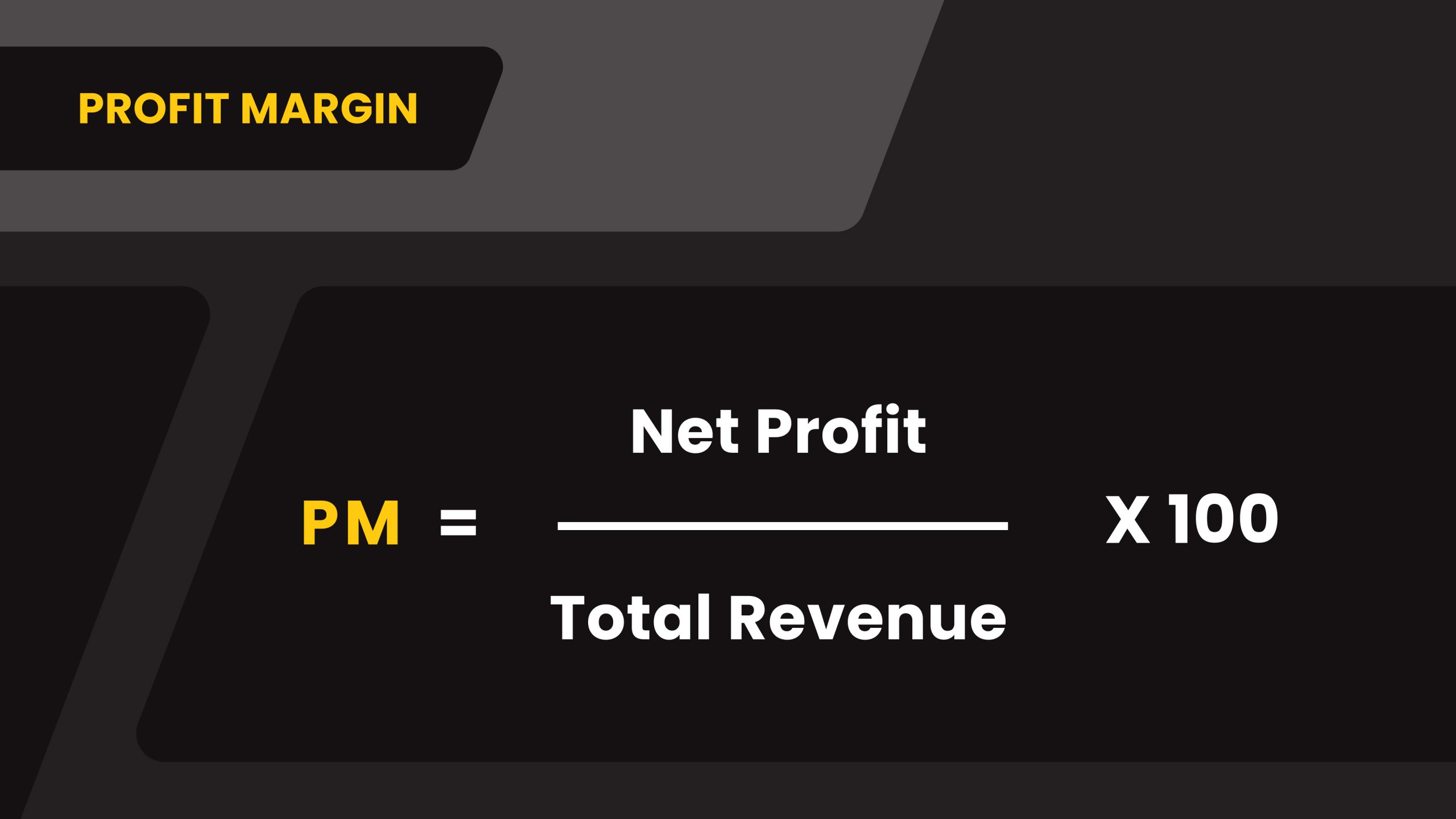
Next, profit margin is the percentage of revenue left after all your expenses have been deducted. This KPI is essential for understanding the financial health of your business.
Similarly, by keeping a close eye on your profit margin, you’re better able to identify ways to reduce costs and increase profitability.
- Why it matters: This KPI reveals the efficiency of your business operations and helps you understand the overall financial health of your business.
- How to track it: Calculate your profit margin by dividing your net profit by total revenue and then multiplying it by 100.
#5: Average daily attendance
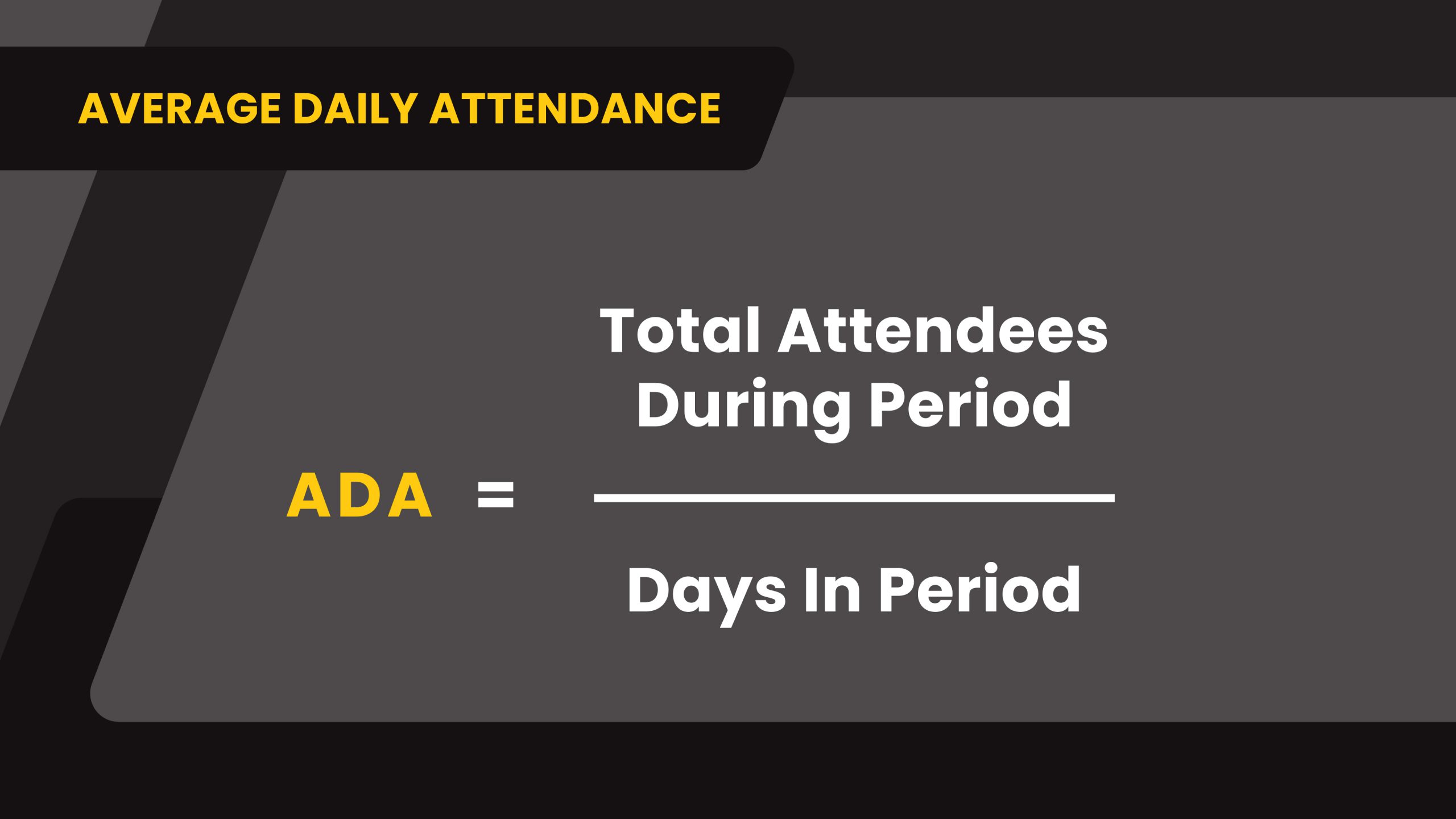
Next, average daily attendance tracks the number of clients who attend your sessions each day. This metric provides a snapshot of your business’s daily operational efficiency and client engagement.Therefore, consistently high daily attendance indicates a strong demand for your services and effective scheduling.
- Why it matters: This KPI helps you understand peak times and client preferences, enabling better scheduling and resource allocation.
- How to track it: Calculate your average daily attendance by dividing the total number of attendees by the number of days within a specific period.
#6: Member lifetime value (MLV)
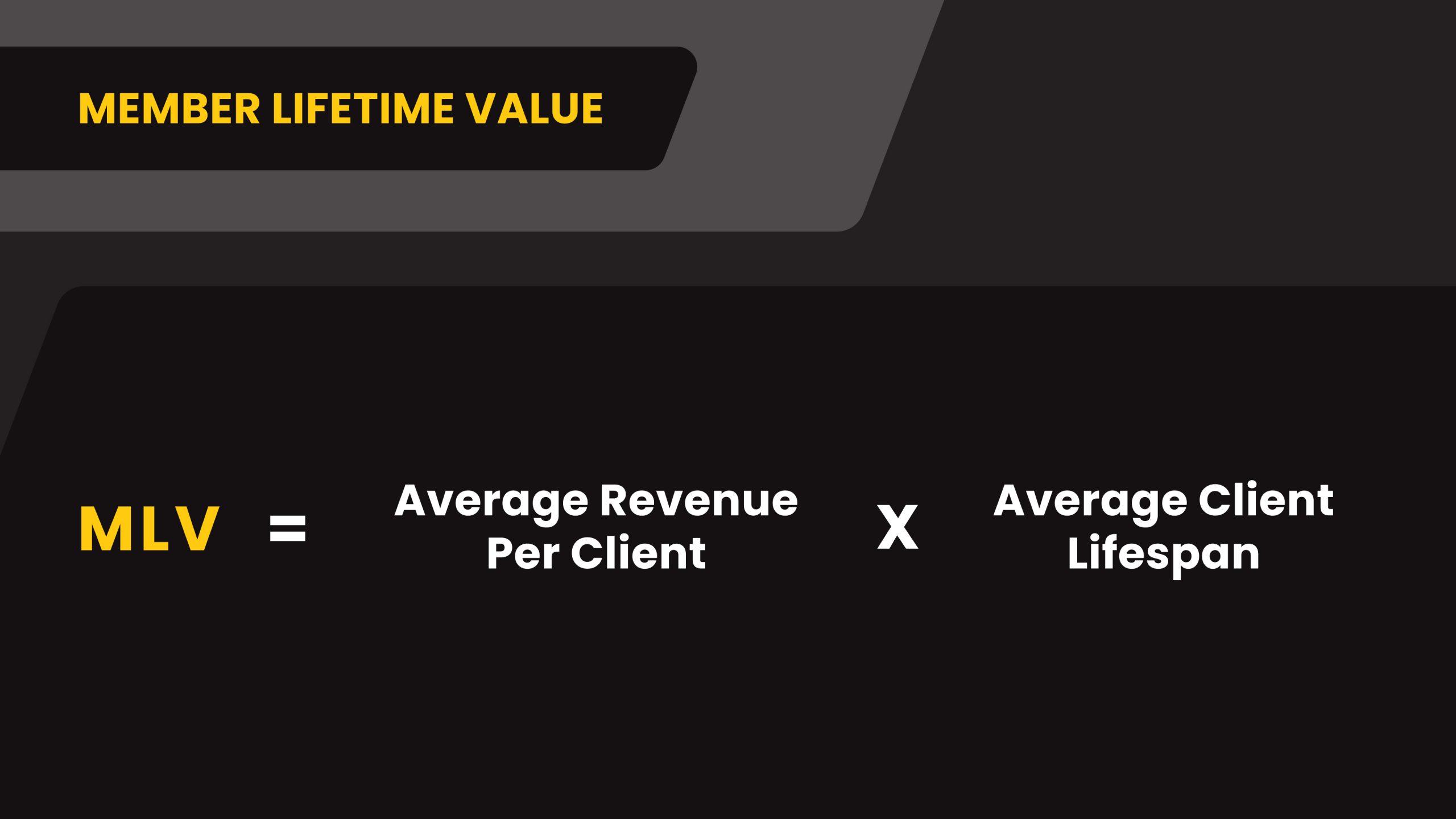
MLV calculates the total revenue you can expect from a client over the entire duration of their relationship with you. This KPI helps you understand the long-term value of each client and can guide your investment in client acquisition and retention strategies. Therefore, a high MLV indicates a strong, ongoing relationship with your clients.
- Why it matters: Knowing your MLV helps you allocate marketing and service resources effectively, focusing on clients who bring the most value over time.
- How to track it: Calculate your MLV by multiplying the average revenue per client by the average client lifespan.
#7: Revenue per session
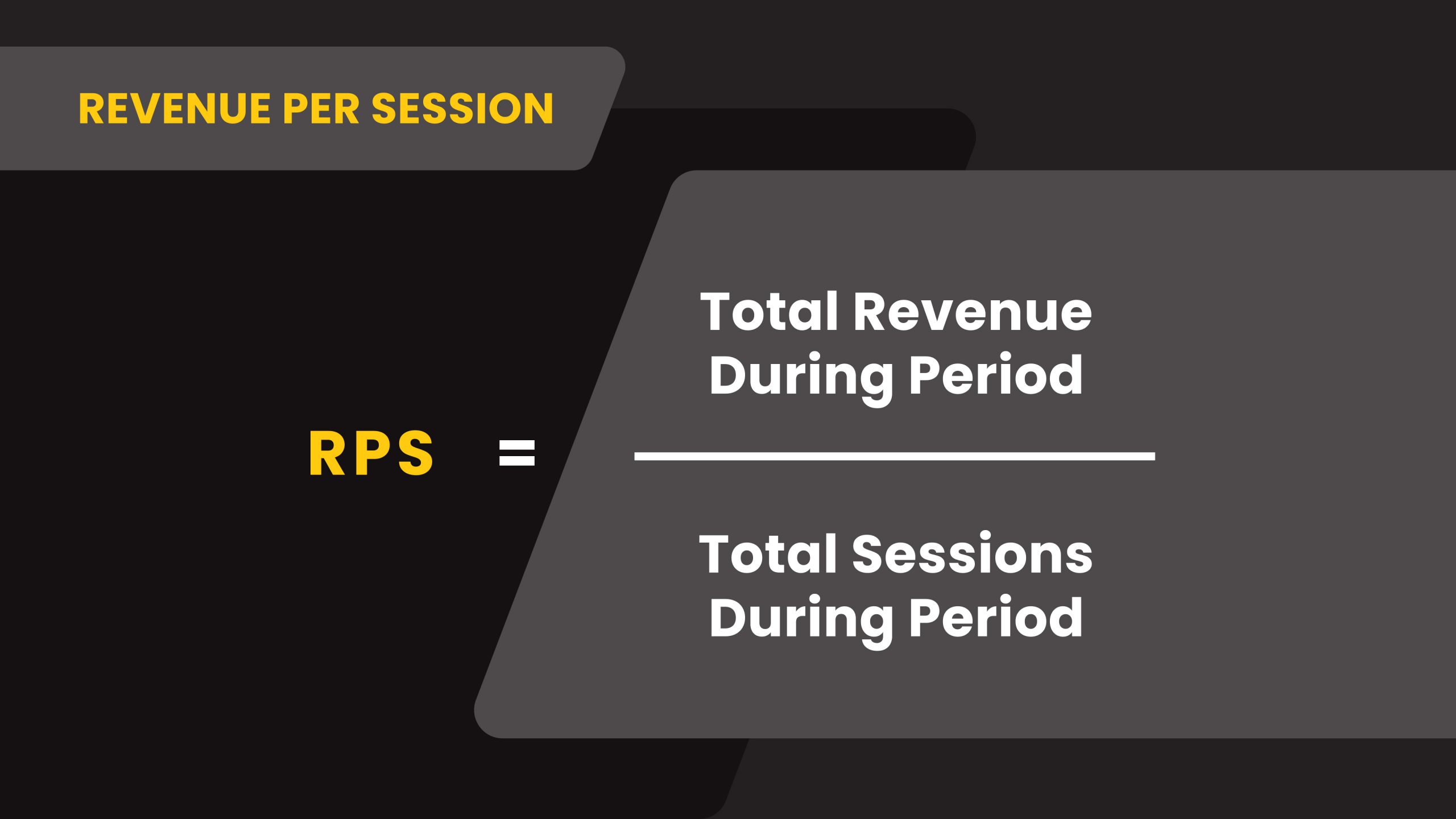
Lastly, revenue per session measures the amount of income generated from each of your training sessions. This KPI helps you understand the profitability of each session and can guide decisions on pricing, class sizes, and session frequency. Therefore, by optimizing revenue per session, you’ll ensure that each class is contributing effectively to your overall income.
- Why it matters: This KPI shows the effectiveness of your sessions in generating income and can highlight the need for adjustments in pricing or session structure.
- How to track it: Calculate revenue per session by dividing the total revenue by the number of sessions over a specific period.
📖 Check Out: 5 Reasons to Add Group Personal Training to Your Fitness Business in 2026
Bonus Personal Trainer KPIs
Customer acquisition cost (CAC)
CAC measures how much you spend in marketing, advertising, time, and sales effort to bring in each new paying client. It’s the metric that tells you whether your growth strategy is financially sustainable, or whether you’re spending more to get clients than they’ll ever return.
For personal trainers, CAC can range widely depending on your acquisition channels. Word-of-mouth and referrals drive CAC close to zero. A paid social campaign that costs $500 and brings in 5 clients means a CAC of $100 per client. A local event sponsorship costing $1,000 that generates 3 new clients means a CAC of $333: same goal, very different efficiency.
- Why it matters: If your CAC is high relative to what clients spend with you, you’re essentially paying to stay in place. Every new client barely covers the cost of finding them.
- What to do with it: Referral programs are the most powerful lever here; referred clients have near-zero acquisition cost and tend to stay longer. Building organic content that attracts leads over time (SEO, social, email) also lowers CAC compared to paid channels.
- How to track it: Divide your total marketing and sales spend in a period by the number of new clients acquired in that same period.
Lead-to-sale conversion rate
Your lead-to-sale conversion rate measures the percentage of inquiries or prospects that become paying clients. It’s the bridge between your marketing efforts and your actual revenue.
Overall, a low rate means either the wrong people are coming in, or something in your sales process is losing them.
- Why it matters: Generating leads costs time and money. A low conversion rate means a large portion of that investment produces nothing. Improving conversion by even a few percentage points can dramatically increase revenue without spending a dollar more on marketing.
- What to do with it: Review where leads drop off, is it after the first message, after a discovery call, after a trial session? Each drop-off point tells you something different. Speed of follow-up matters enormously: leads contacted within an hour are significantly more likely to convert than those followed up a day later. If conversion from trial to paid is the weak point, look at how clearly you’re communicating the next steps and the ongoing value of your service before the trial ends.
- How to track it: Divide the number of new paying clients by the total number of leads in the same period, then multiply by 100.
📖 Read More: Conversion Techniques That Work: Transform Cold Leads into Loyal Clients
What’s Next?
Tracking these 9 KPIs is vital for the success of any personal training business. They provide a clear picture of how well your business is performing and surface the areas that need attention.
With ABC Trainerize, you’re better able to monitor your metrics. Our comprehensive tools and intuitive dashboards provide valuable insights into your business performance. Similarly, they empower you to make data-driven decisions and optimize your operations. With our platform, you can focus on delivering exceptional service to your clients.
Start optimizing your performance now by starting your free trial today!